


Most inflatable stand-up paddle boards come with a manual pump included. While it gets the job done, it’s not always the easiest option.
Inflating a board typically takes around 10–15 minutes, depending on your strength and endurance. At first, it feels manageable—but things get much harder as the pressure increases.
Once you pass about 6 PSI, each pump stroke requires significantly more effort. Reaching the final 3–5 PSI can feel like a full workout, especially for smaller paddlers or beginners.
Because of this, it’s common to see boards on the water that aren’t fully inflated, affecting stability, performance, and overall enjoyment.
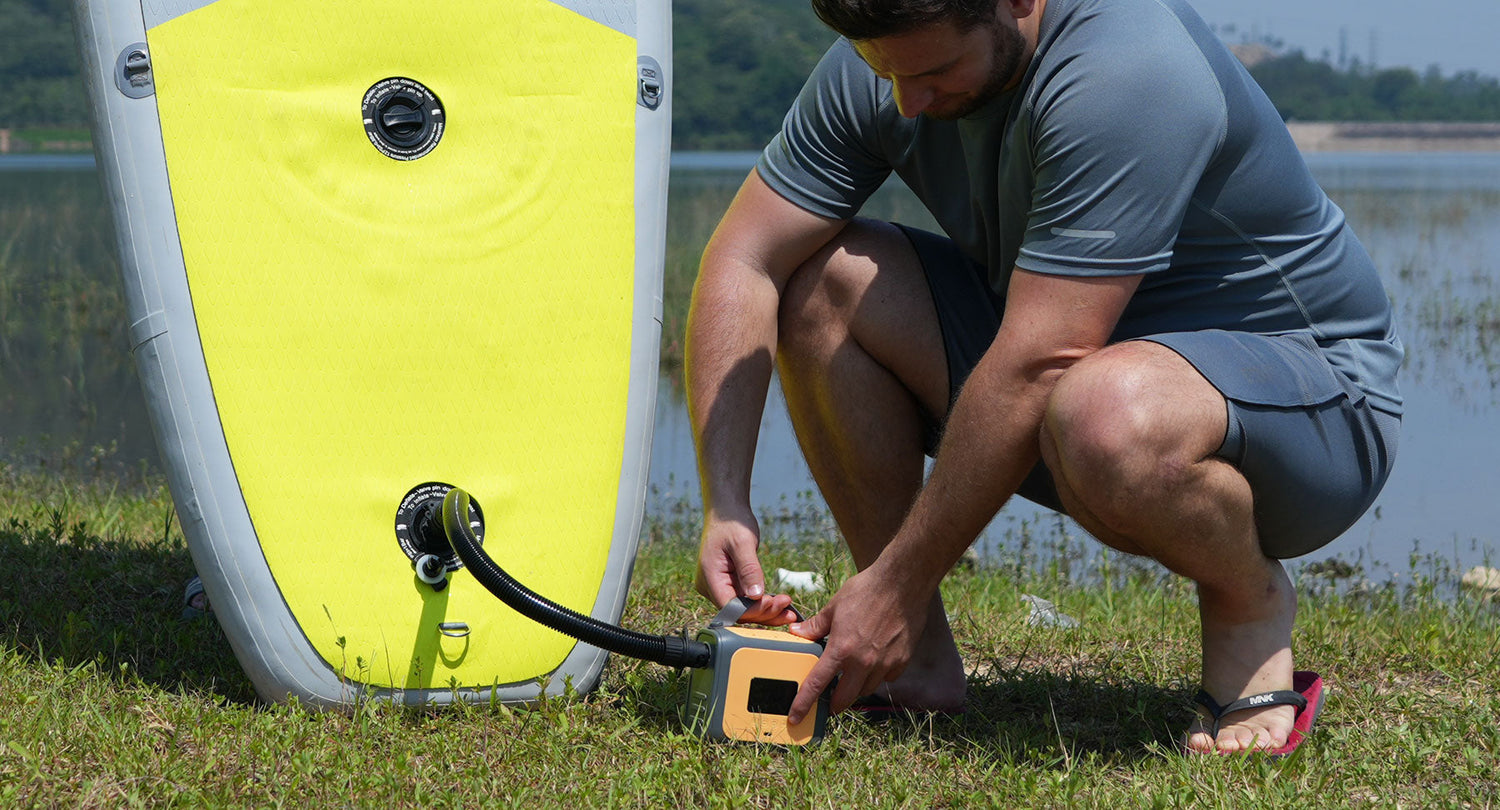
This is why many paddlers choose to upgrade to an electric SUP pump. It simplifies the process, ensures proper PSI, and gets you on the water faster with less effort.
In this guide, you’ll learn what a SUP pump does, how to inflate a paddle board correctly, how to choose the right pump, and what to look for in the best electric SUP pump.
What is a SUP Pump?
Before we go further, let’s take a quick look at what a SUP pump actually is.
A SUP pump is a device used to inflate stand-up paddle boards to the recommended pressure, ensuring proper rigidity, stability, and performance on the water.
There are two main types: manual pumps and electric pumps.
Manual pumps are commonly included with most boards, but they require physical effort and can be time-consuming, especially at higher PSI levels.

Electric pumps automate the process by delivering consistent pressure with minimal effort.
Most models are compact and portable, and many also support deflation, making packing up quick and easy.
Instead of spending your energy on setup, you can save it for what really matters: enjoying your time on the water!
Why Proper Inflation Matters?
Proper inflation has a direct impact on how your board performs on the water.
A well-inflated board feels firmer underfoot, tracks more smoothly, and provides better support. In contrast, a board with low pressure may flex in the middle, feel less stable, and reduce paddling efficiency.
That’s why an electric SUP pump is specifically designed for inflatable paddle boards. It handles higher pressure ranges, connects easily to compatible valves, and allows for more controlled inflation.

For riders who want consistent performance and a hassle-free setup, a dedicated SUP pump is the better choice.
How to Choose the Right SUP Pump for Your Needs?
Now that you understand what a SUP pump is and why it matters, the next step is choosing the one that best fits your needs. The ideal pump depends on your board type, paddling style, and how you plan to use it. Here’s a professional guide to help you select the best pump for your inflatable paddle board.
1. Board Size and Pressure Requirements
The size and type of your paddleboard directly influence which pump is suitable. Smaller all-around boards inflate quickly and require less pressure, while larger touring boards or high-pressure models need pumps capable of handling higher PSI and larger volumes.
For example, a 10-foot recreational board may reach its target PSI in minutes with a basic electric pump, but a 12-foot touring board with 15 PSI requirements may need a more powerful, dual-stage pump to reach full inflation efficiently.
Key tip: Always check the maximum PSI of the pump against your board’s recommended pressure. A pump that cannot reach your board’s PSI will result in underinflation, reducing rigidity, stability, and paddling performance.
2. Power Source and Portability
Where and how you inflate your board will influence your pump choice:
- 12V car pumps are ideal for beach trips or roadside setups.
- Battery-powered electric pumps offer flexibility for remote locations, camping, or paddle sessions away from vehicles.
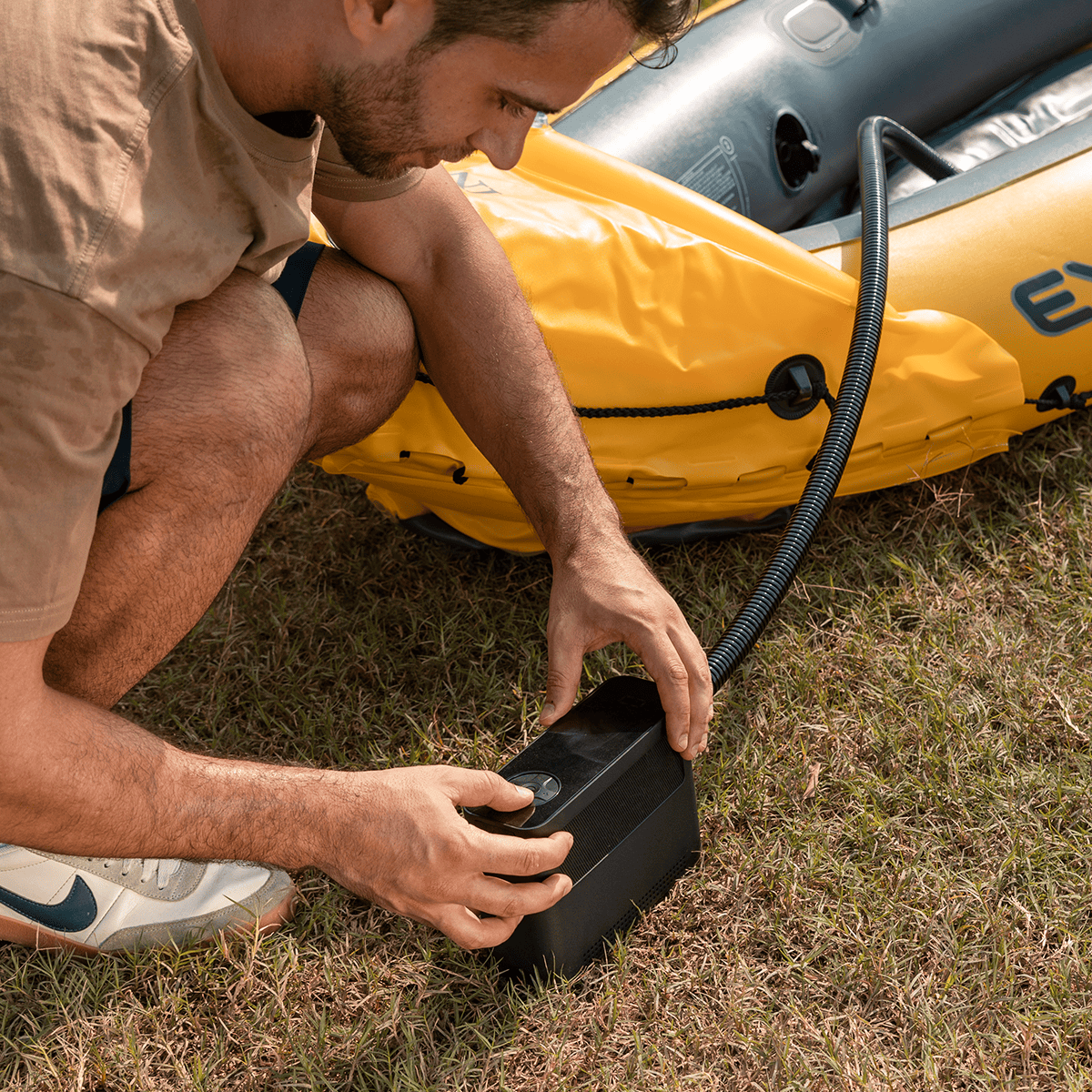
Portability is equally important. Lightweight and compact pumps are easier to carry, store, and pack with other gear. A standout example is the Aerogogo Zetta 138, currently the world’s lightest SUP pump at just 895g, capable of reaching up to 20 PSI. Its dual power source supports both battery operation and 12V DC car power.
Despite its compact size, it delivers impressive performance, inflating a standard paddle board to 15 PSI in under 10 minutes, combining portability, speed, and reliability for a seamless paddling experience.

[[zetta-138-sup-pump]]
3. Ease of Use
A high-quality SUP pump does more than inflate; it simplifies the experience. Look for features such as:
- Auto shut-off: prevents overinflation and ensures your board reaches the exact PSI.
- Digital or clear pressure display: provides accurate feedback and reduces guesswork.
- Reliable valve compatibility: supports Halkey-Roberts (HR) or other common valves.
- Dual-stage inflation: allows rapid initial inflation and fine-tuned pressure control.
For example, a dual-stage electric pump can fill a 12-foot touring board to 15 PSI in under 10 minutes, while a single-stage manual pump may take 20–25 minutes with significantly more effort.
Pro tip: Consider not just specifications, but real-world usability. A pump that’s intuitive, accurate, and portable will provide a smoother setup and more enjoyable paddling experience than one that only looks powerful on paper.
4. Durability and Build Quality
SUP pumps are often exposed to sun, sand, and moisture. Durable construction is crucial for long-term reliability. Look for pumps made with reinforced plastics, sealed motors, and weather-resistant components.
5. Deflation Function
A built-in deflation mode allows you to remove air from your board after use quickly. This makes packing easier, saves time, and helps reduce the effort needed to fold and store your board properly.
Some sup pumps also combine both inflation and deflation in one device. For example, the Vista sup pump supports both functions, allowing you to inflate your paddle board efficiently and deflate it just as easily after your session.
[[giga-pump-vista-150psi-air-compressor]]
6. Accessory Nozzles
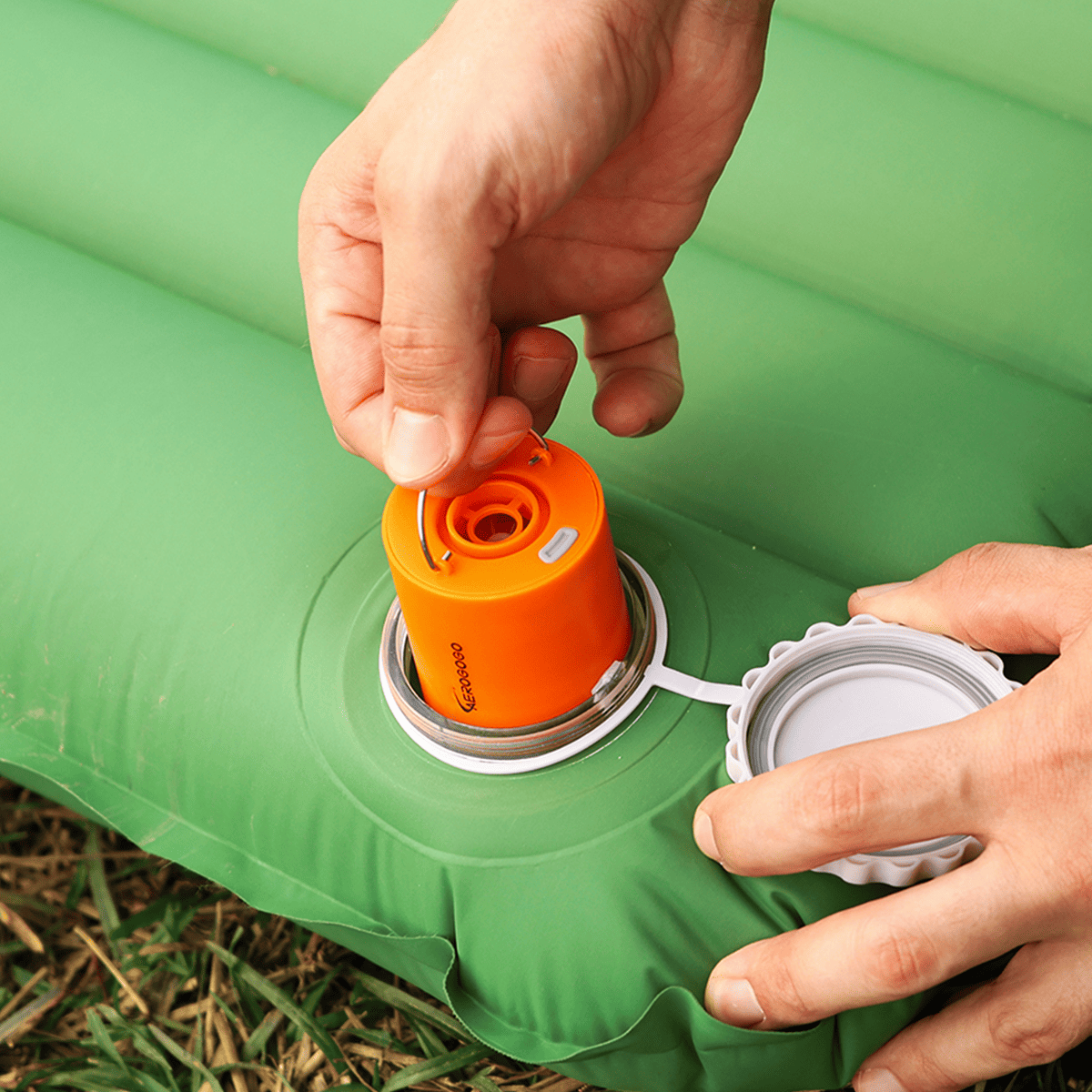
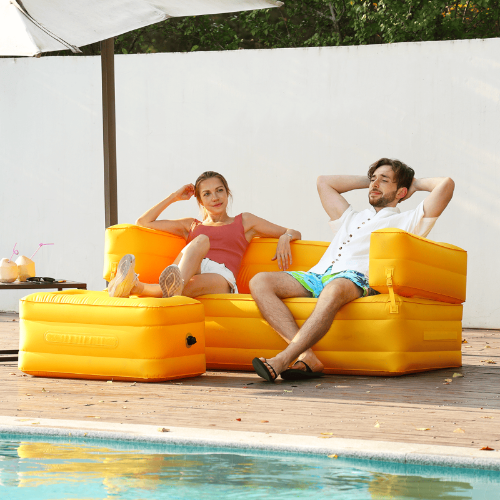
Some pumps come with multiple nozzle attachments, making them compatible with a variety of inflatables such as kayaks, air mattresses, pool toys, and small boats. This added versatility can make a single pump useful across different outdoor activities.

Conclusion
The right SUP pump does more than simplify setup; it defines how your time on the water begins.
When matched to your board and paddling style, it ensures precise inflation, reduces effort, and delivers consistent performance. An electric SUP pump, in particular, offers a more efficient and controlled experience from start to finish.
Choose well, and every session starts smoother, faster, and exactly as it should.


发表评论
此站点受 hCaptcha 保护,并且 hCaptcha 隐私政策和服务条款适用。