

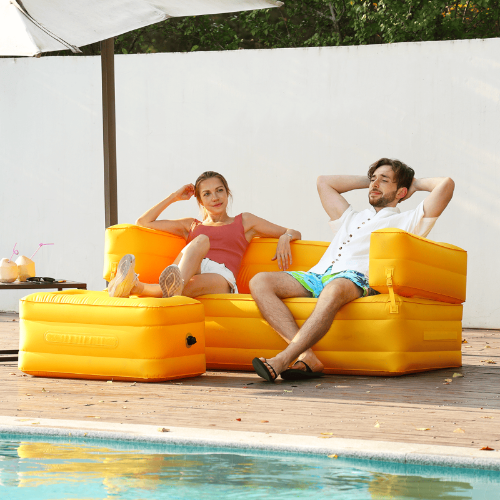
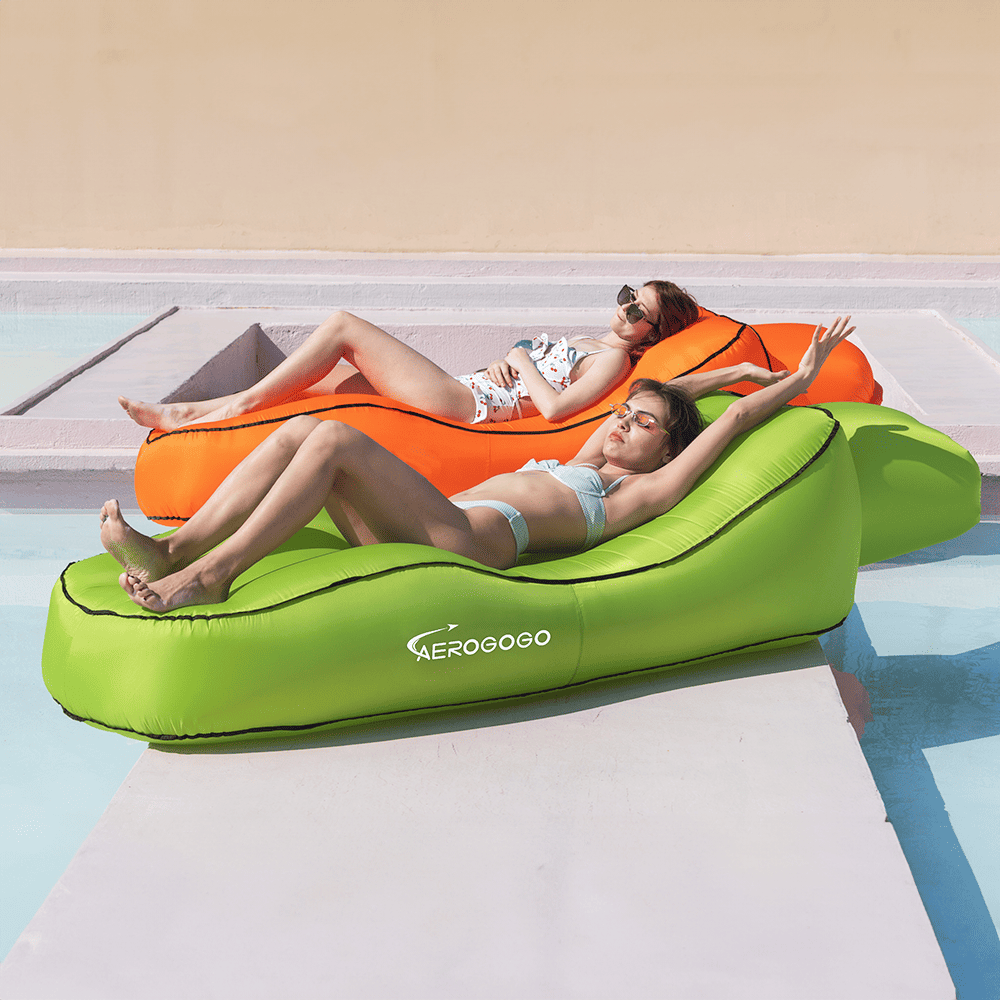
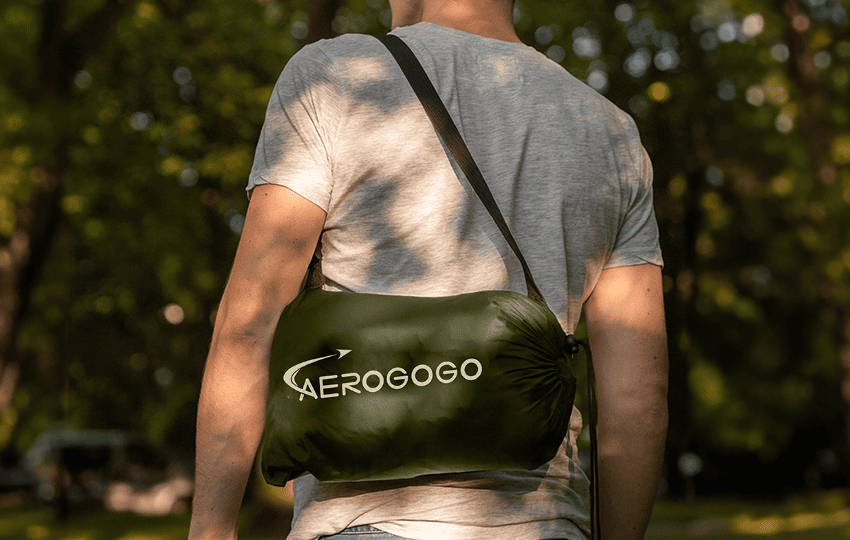

You've probably seen them at beaches, music festivals, camping trips, or even in backyards. Inflatable loungers, sometimes called air sofas, air loungers, or inflatable air bags, have become increasingly popular in recent years, promising portable comfort without bulky furniture.
But many buyers still have questions:
- Do inflatable loungers really work?
- How long do they hold air?
- Are they comfortable?
- Can they be used as a bed?
- Are they worth the money?
Read more to find out how inflatable loungers really perform.
Types of Inflatable Loungers
Today, there are three main types of inflatable loungers:
1. Air-Catching Inflatable Loungers (Traditional)
These models inflate by scooping air into the bag and sealing it manually.
Pros:
- Lightweight
- No pump required
- Simple design
- Usually more affordable
Cons:
- Harder to inflate without wind
- May lose firmness over time
- Less structured support
These were the first inflatable loungers to become popular, especially at music festivals and beaches.
2. Air-Catching + Built-in Pump (Hybrid Design)
This newer hybrid design combines air catching with a built-in pump for topping up air.
Users can quickly fill the lounger with air using air-catching, then use the built-in pump to increase firmness and improve comfort.
Pros:
- Faster initial inflation
- Better support and firmness
- More comfortable for lying down
- More adaptable to different environments
Cons:
- Slightly heavier
- Higher price
This hybrid design solves one of the biggest issues with traditional air-catching loungers, insufficient support and firmness.
[[cl1-self-inflating-air-lounger]]
3. Built-in Pump Inflatable Loungers (Fully Automatic)
These models rely entirely on a built-in electric pump for inflation.
Pros:
- One-button inflation
- Works indoors and outdoors
- Consistent firmness
- Most user-friendly
Cons:
- Heavier than air-catching models
- Usually, a premium price
Fully pump-powered loungers offer the most convenient and consistent experience, making them ideal for camping, backyard use, and travel.
[[giga-air-lounger-gs1]]
How to Choose a Good Inflatable Lounger
Choosing a good inflatable lounger involves more than just looking at price or appearance. The quality of materials, construction, air retention, and additional features all play an important role in determining comfort and durability. Understanding these factors will help you choose the right inflatable lounger for your needs.
1. Material Quality
Material is one of the most important factors when choosing an inflatable lounger. High-quality materials improve durability, comfort, and air retention, while lower-quality fabrics may lose air faster or wear out over time.
Outer Fabric
Ripstop Nylon (Recommended)
Advantages:
- Lightweight
- Tear-resistant
- Water-resistant
- Durable
Common Types:
- 190T Ripstop Nylon (budget)
- 210T Ripstop Nylon (recommended)
- 420D Oxford Nylon (premium)
- Polyester (Budget Option)
Pros:
- Affordable
- Soft
Cons:
- Less durable
- Lower air retention
- Best for: Occasional use
Inner Coating Materials
TPU Coating (Best Option)
Benefits:
- Excellent air retention
- Flexible
- Durable
- Eco-friendly
Premium models typically use: Ripstop Nylon + TPU coating
PVC / PE Coating (Budget Option)
Drawbacks:
- May leak faster
- Less durable
- Can crack over time
[[aerogogo-air-mattress-ps2]]
2. Construction Air Seal Design
Beyond materials, construction quality plays a major role in performance. Even high-quality materials may perform poorly if construction is not well designed.
- Look for the following features:
- Roll-top closure
- Reinforced stitching
- Fully wrapped seam construction
- Multi-layer fabric design
- Multi-chamber structure (premium models)
Premium inflatable loungers often use fully wrapped seam stitching and multi-layer fabrics, which significantly improve airtightness and support. These construction methods reduce air leakage and help maintain firmness for longer periods.
How Well Do Inflatable Loungers Hold Air?
Air retention depends directly on material quality and construction. In general, better materials and sealing systems lead to higher performance:
Budget Models (Basic Polyester / PVC + simple seams)
- Materials: Polyester or PVC-coated fabric
- Construction: Basic stitching, minimal sealing
- Air retention: 1–2 hours
- Tends to lose firmness quickly due to lower-quality coatings and weaker seam bonding
Mid-Range Models (Ripstop Nylon + PU or basic TPU coating)
- Materials: 190T–210T ripstop nylon with PU/TPU coating
- Construction: Improved seam sealing and roll-top closure
- Air retention: 4–6 hours
- Balanced performance for casual outdoor use
High-Quality Models (210T–420D Ripstop Nylon + TPU coating)
- Materials: Reinforced ripstop nylon with TPU laminated coating
- Construction: Heat-welded or reinforced air-tight seams
- Air retention: 6–10 hours or longer
Premium Models (Advanced Construction Materials)
- Materials: Multi-layer reinforced fabric with premium TPU coating
- Construction: Fully wrapped seam stitching for enhanced airtightness
- Air retention: All-day stability with minimal firmness loss
3. Weight Capacity
Weight capacity is another indicator of quality and durability. Higher weight capacity typically means stronger materials and better structural support.
Recommended: At least 180 kg (400 lbs)
Higher-end models may support:
- 200 kg (440 lbs)
- 250 kg (550 lbs). A higher weight capacity generally indicates a more stable and durable inflatable lounger.
4. Extra Features
Some inflatable loungers include additional features that improve comfort and convenience.
Premium features may include:
- Side pockets for phones or drinks
- Built-in headrest
- Ground stakes or tie-down loops
- Carry bag
- Anti-slip bottom materials
While these features don't directly affect air retention, they enhance the overall user experience.
Final Verdict: Are Inflatable Loungers Worth Buying?
Yes, inflatable loungers are worth buying when used for the right situations. They are especially useful for camping, beach trips, festivals, and travel, where portability and comfort matter most. Their lightweight and compact design makes them ideal for temporary seating and relaxation outdoors.
However, inflatable loungers are not designed to replace permanent furniture or serve as a daily bed. While they offer excellent comfort for short-term use, they typically lack the structured support needed for long-term seating or sleeping.
Overall, inflatable loungers are a great choice for outdoor activities, casual relaxation, and temporary comfort, making them a worthwhile purchase for many users.


Leave a comment
This site is protected by hCaptcha and the hCaptcha Privacy Policy and Terms of Service apply.